
"My advice from the heart is to let everything drop."
The Journey
Pilgrimage to Bhutan
Ten days across four valleys, following the traces of Longchenpa's years in Bhutan
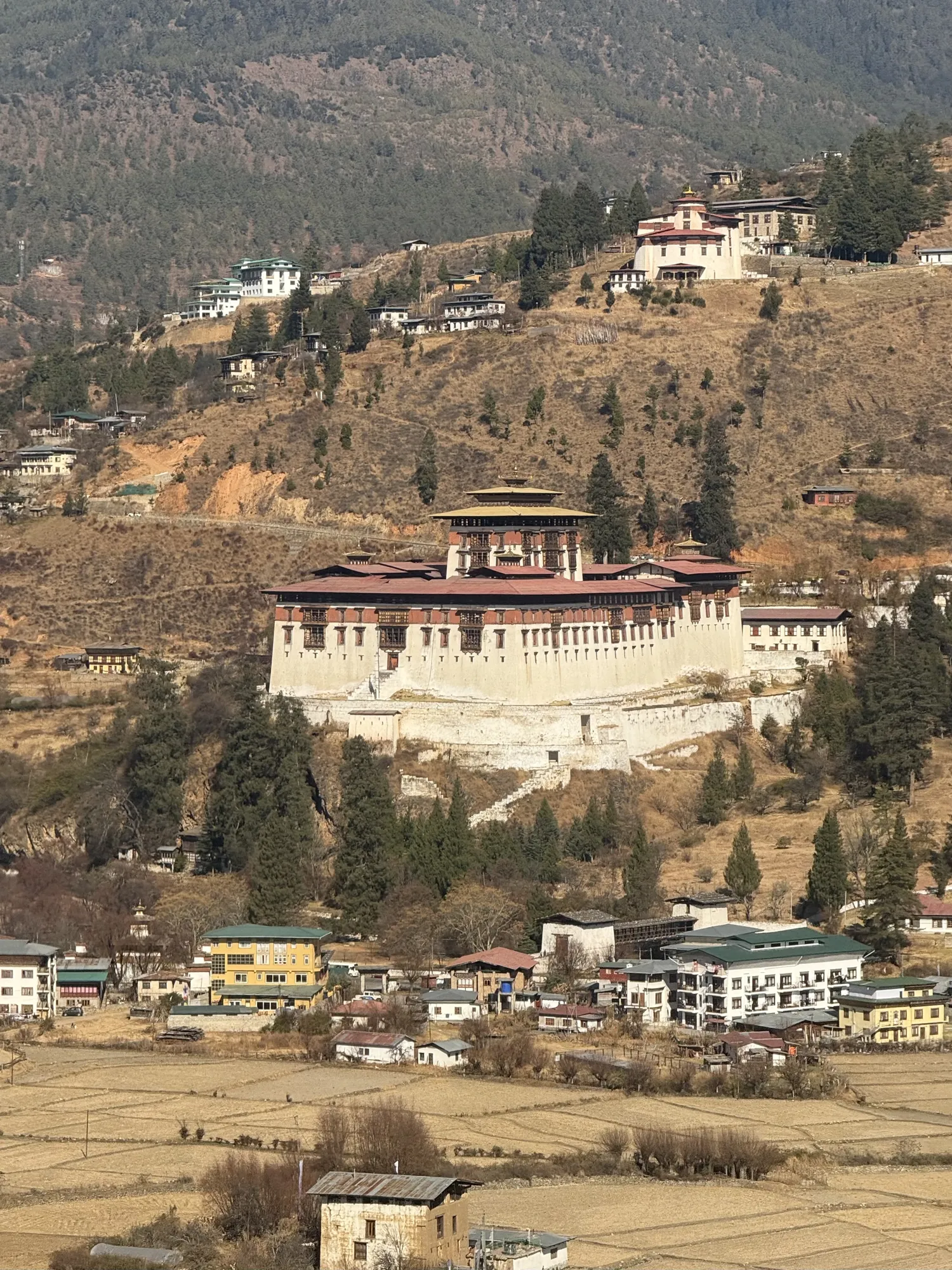
Arrival
1 night in Paro
Arrival in Bhutan, one of the world's few remaining Buddhist monarchies and unique in the depth to which Buddhist tradition is woven into national identity and culture. If time permits, a first visit to Kyichu Lhakhang and Paro Dzong.
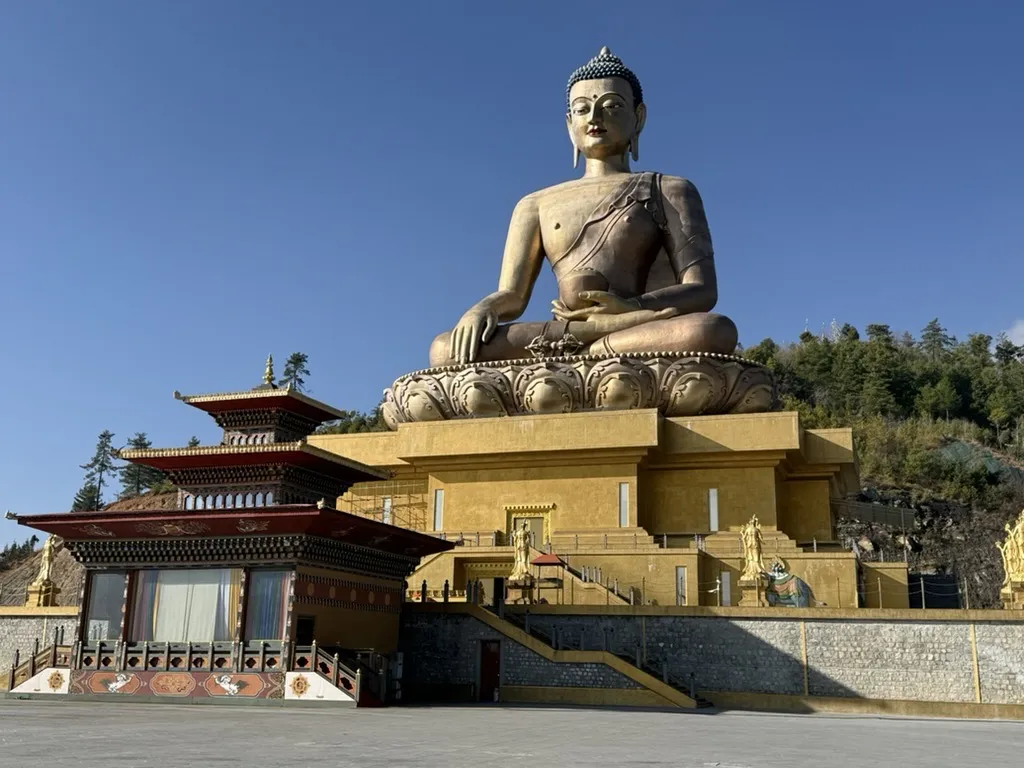
Crossing the Passes
1 night in Punakha
An early start and the drive to Thimphu, to the Great Buddha Dordenma at Kuenselphodrang and, if time permits, the Memorial Chorten. Lunch in Thimphu, then over the Dochu La Pass and its 108 chortens towards Punakha, with a stop at Chimi Lhakhang on the way.
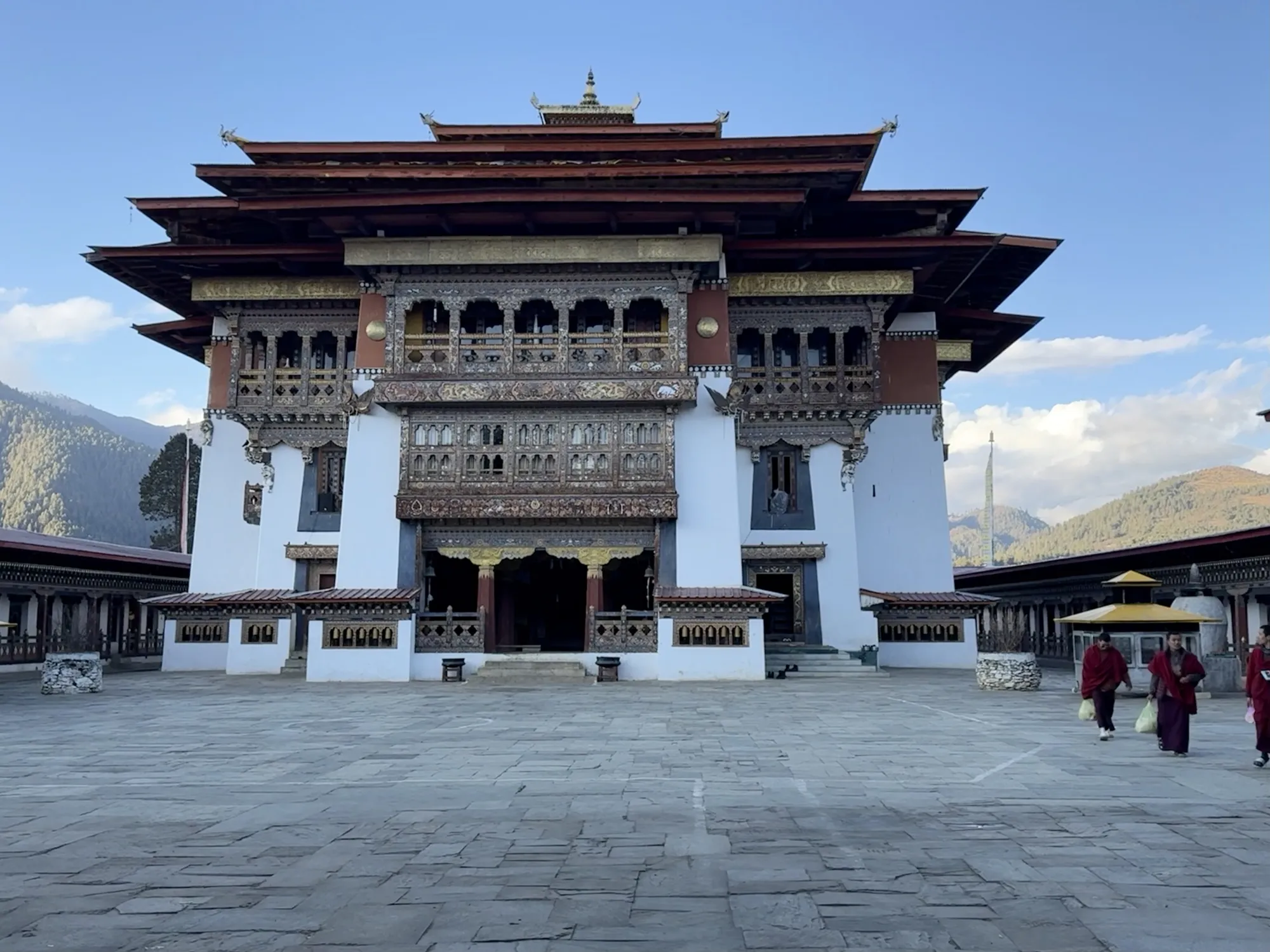
Nelung Dechenling
2 nights in Phobjikha
Punakha Dzong after breakfast, then Sha Kuenzaling near Samtengang and on to the Phobjikha Valley, famous for its black-necked cranes. A morning at Nelung Dechenling, Longchenpa's sacred teaching grounds, which houses important relics of Longchenpa and Pema Lingpa, then Gangtey Gompa, seat of the Gangtey Trulku, and an afternoon nature walk through the valley.
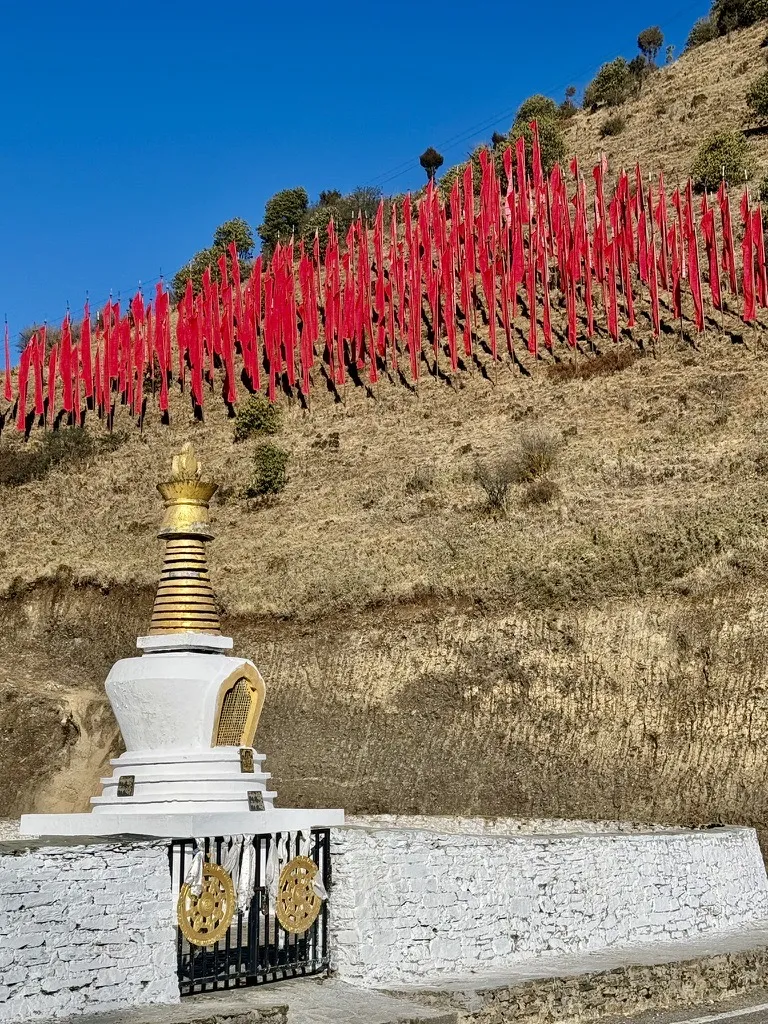
Tharpaling
3 nights in Bumthang
The heart of the pilgrimage. Samteling, which houses many of the Longchenpa relics, if time and weather permit. Then Tharpaling, Longchenpa's primary seat and the place where he composed the Dzöd Dun, the Seven Treasuries. Finally Tang Ogyen Chholing, the one Longchenpa site where nothing has been built up and the little cave still maintains its sanctity, alongside the Ogyen Chholing Palace Museum and the temple that houses the Tooth Relic of Longchenpa.
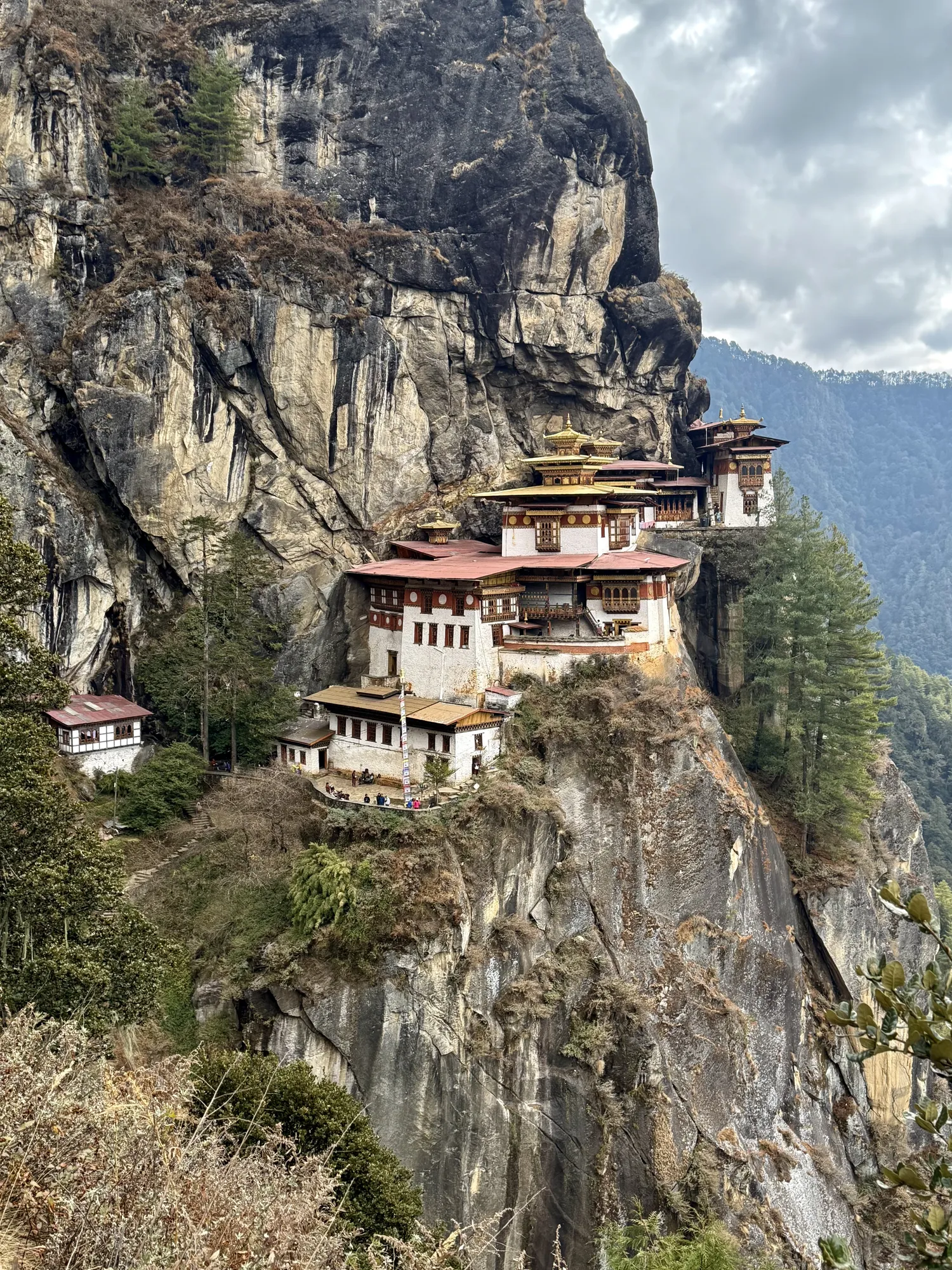
Taktsang
2 nights in Paro
The domestic flight back to Paro, then Samtenling Lhakhang at Chujakha, the site that eventually became the primary residence of Longchenpa's son, Dawa Dragpa, in Bhutan. The following day, the hike up to Taktsang Monastery, the Tiger's Nest, before departure from Bhutan.
Teachings
Advice from the Heart
Under the guidance of SINI monastic Fellows, we intend to study the Thirty Pieces of Heart Advice — a raw, direct and compassionate guide, written for serious meditators, to subdue the mind and abandon meaningless worldly pursuits. Longchenpa warns that worldly activities, even well-intentioned religious ones, can distract from deep realisation.

The First Theme
Renouncing worldly ambition
He advises against gathering followers, building grand monasteries, or seeking fame. He calls these activities "sources of dispute" that drain spiritual energy.

The Second Theme
The trap of intellectualism
He warns against getting lost in debate, in book learning, or in trying to be a clever scholar. True practice requires quiet, internal meditation, not public display.

The Third Theme
Solitude as medicine
He strongly advocates living in remote caves or quiet forests. Mixing with crowds, he states, only stirs up emotions such as attachment and anger.

The Fourth Theme
Contentment and simplicity
He urges practitioners to live simply, to accept whatever food and clothes come their way, and to stop planning for tomorrow.
Every single verse in this poem ends with the same urgent refrain: "My advice from the heart is to let everything drop."
A selection from the thirty stanzas will be linked to the different places we visit — recite the text, reflect on it, and adapt it in daily life. This is a good practice for such a journey.
The Program
Day by Day
A tentative itinerary through Paro, Thimphu, Punakha, Phobjikha and Bumthang
Arrival in Bhutan
If time permits, visit Kyichu Lhakhang and Paro Dzong
Thimphu and on to Punakha
An early start and the drive to Thimphu. The Great Buddha Dordenma at Kuenselphodrang and, if time permits, the Memorial Chorten. Lunch in Thimphu, then over to Punakha, visiting Chimi Lhakhang on the way
Punakha Dzong to Phobjikha
After breakfast, Punakha Dzong, then the drive on to Phobjikha. Sha Kuenzaling near Samtengang on the way up, a late lunch at Chuzom, and arrival in the Phobjikha Valley
Phobjikha Valley
Famous for its black-necked cranes between November and March. In the morning, Nelung Dechenling Lhakhang, Longchenpa's sacred teaching grounds, which houses very important relics of Longchenpa and Pema Lingpa. From there, Gangtey Gompa, the seat of the Gangtey Trulku. Lunch at a local restaurant, and in the afternoon the nature walk through the valley
Drive to Bumthang
If time and weather permit, a visit to Samteling, which houses many of the Longchenpa relics
Tharpaling
Longchenpa's primary seat, the place of liberation, where he composed the Dzöd Dun — the Seven Treasuries
Tang Ogyen Chholing
The only Longchenpa place where nothing has been built up, and the little cave still maintains its sanctity. Additional attractions are the Ogyen Chholing Palace Museum and the temple in the courtyard, which houses the Tooth Relic of Longchenpa
Fly back to Paro
The domestic flight to Paro on Sunday, then the drive to the hotel for lunch. In the afternoon, Samtenling Lhakhang at Chujakha in Paro — the site that eventually became the primary residence of Longchenpa's son, Dawa Dragpa, in Bhutan
Taktsang Monastery
The hike up to the Tiger's Nest, clinging to the cliff face above the Paro valley
Departure
Departure from Bhutan on Tuesday
The itinerary is tentative. Nine nights of overnight stays: 1 night in Paro, 1 night in Punakha, 2 nights in Phobjikha, 3 nights in Bumthang and 2 nights in Paro. The exact dates of the journey depend on the domestic flight schedule between Bumthang and Paro, which operates three flights per week.
In the Footsteps of the Omniscient One
The Sacred Sites
-
Kyichu Lhakhang & Paro Dzong · Paro
The first stop on arrival. Kyichu Lhakhang is among the oldest temples in Bhutan; Paro Dzong stands above the valley and the river.
-
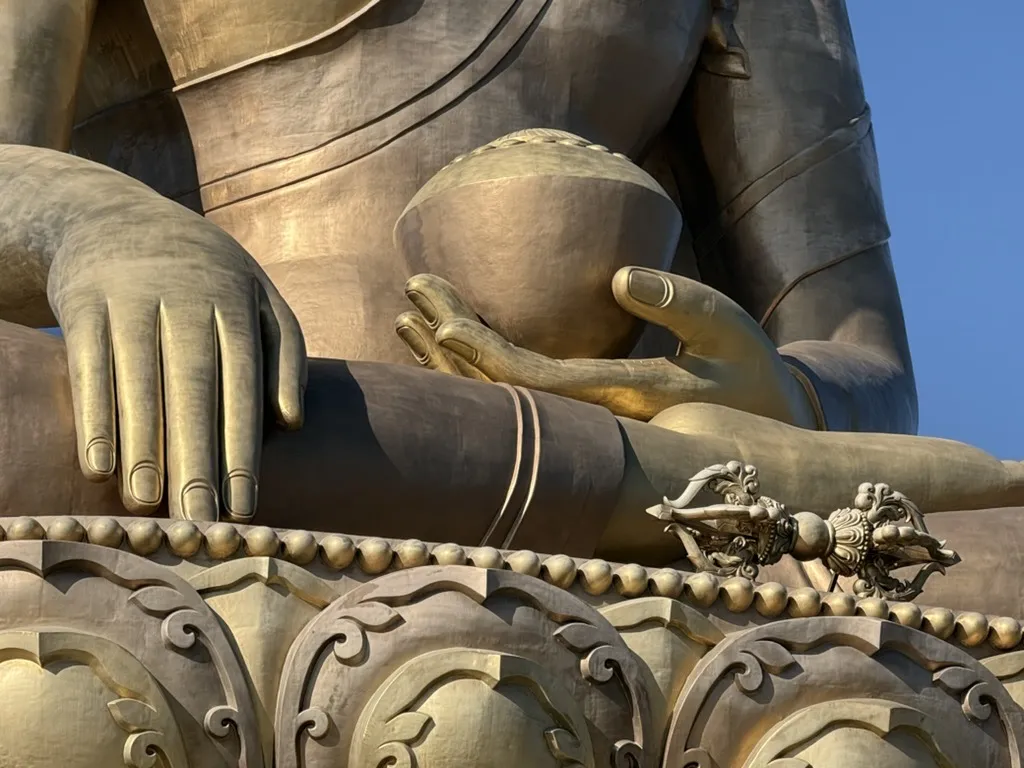
Great Buddha Dordenma · Thimphu
The great gilded Buddha at Kuenselphodrang, seated above the capital.
-
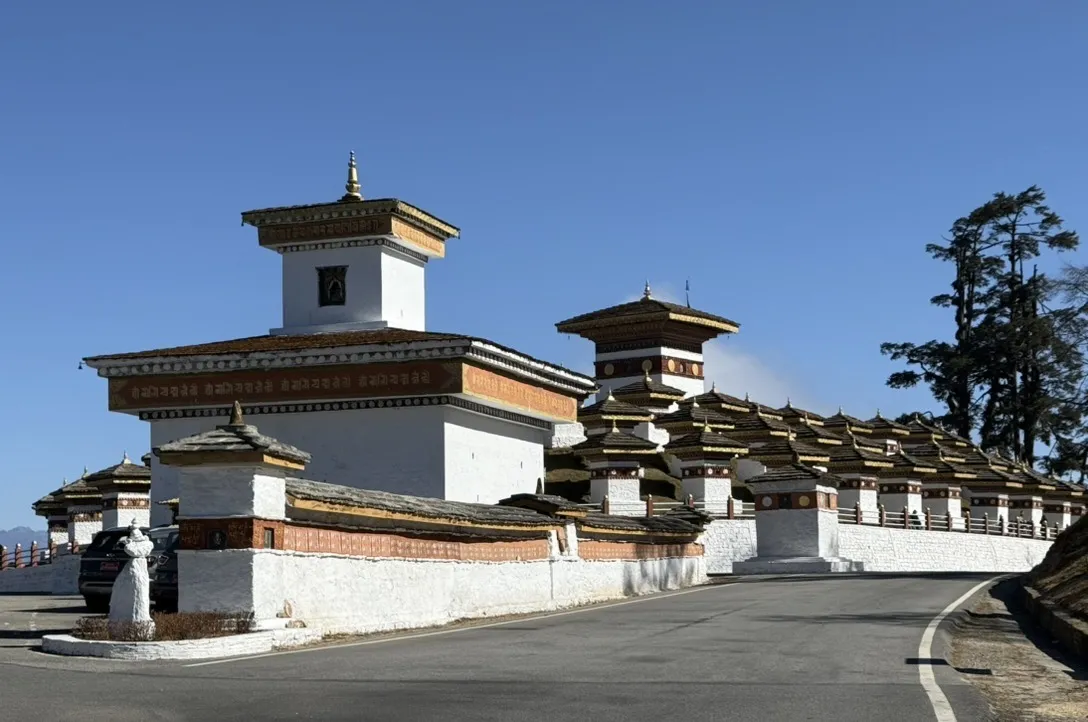
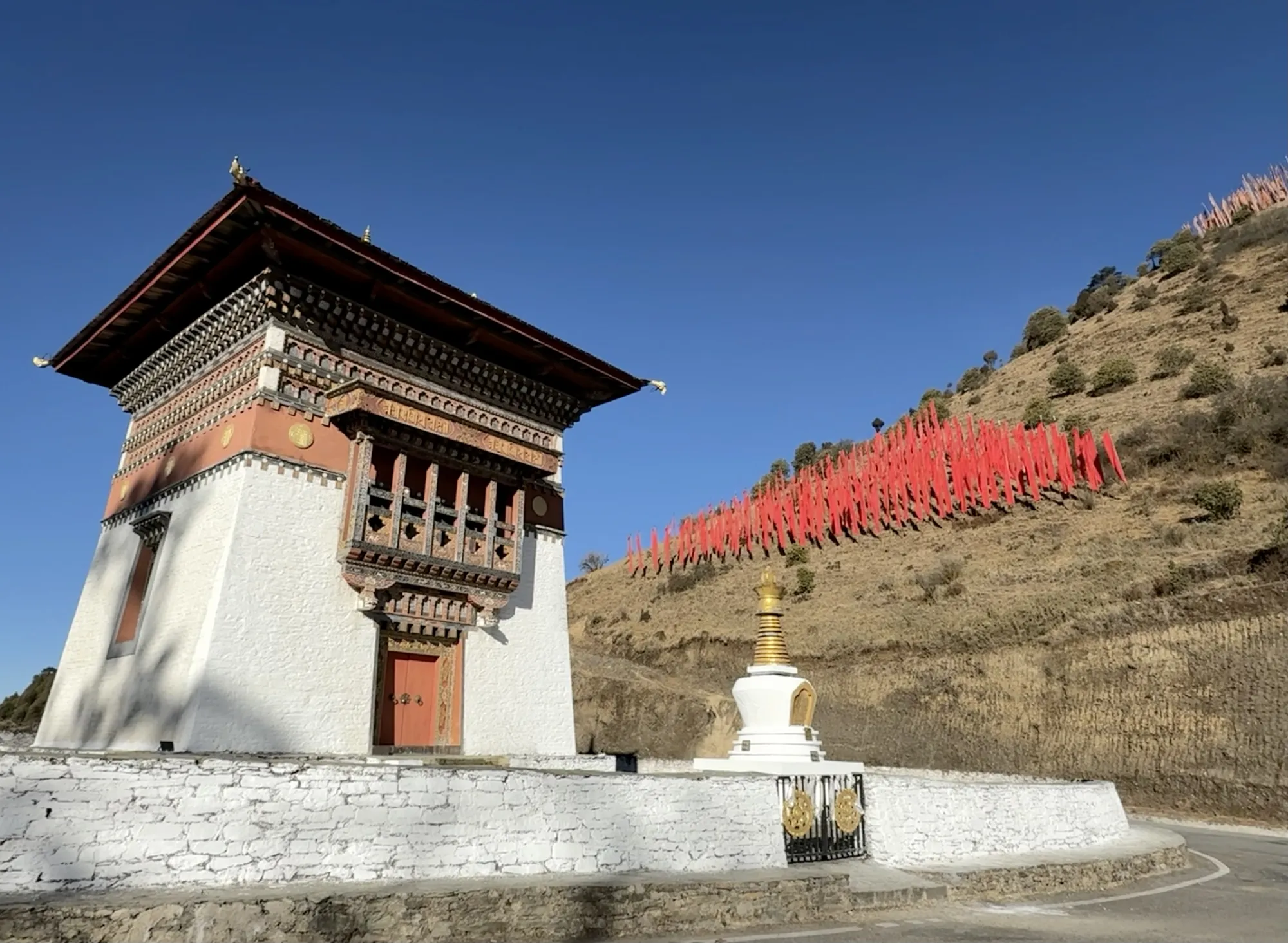
Dochu La Pass · On the way to Punakha
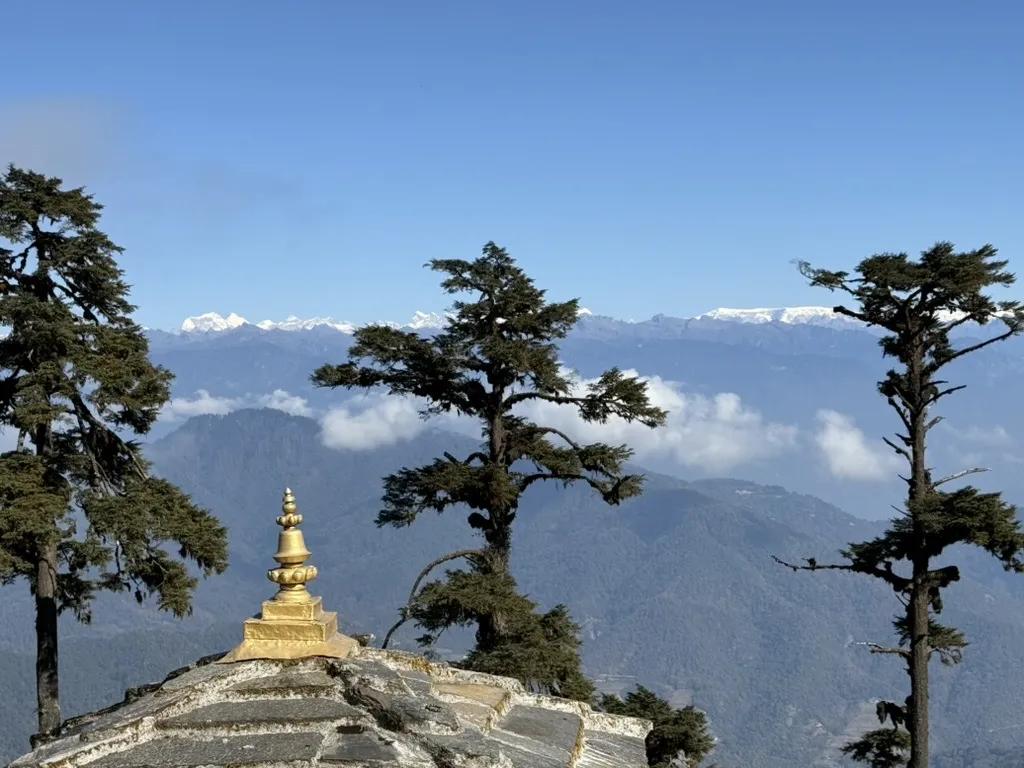
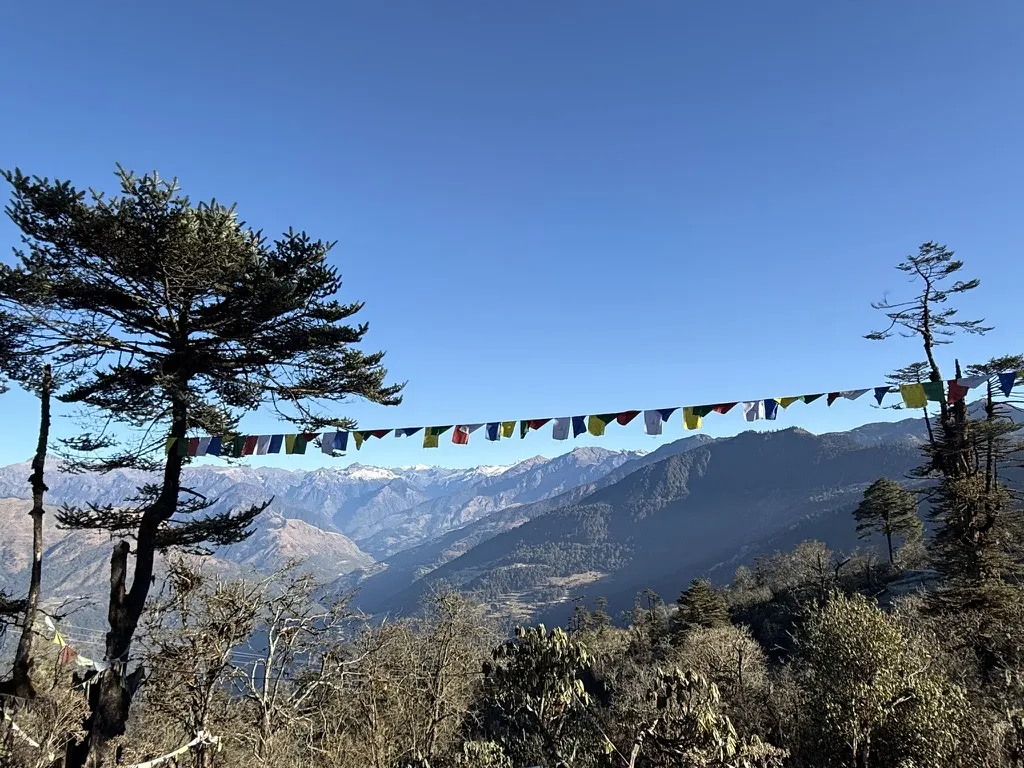
108 chortens on the pass between Thimphu and Punakha, with the eastern Himalaya on the horizon in clear weather.
-
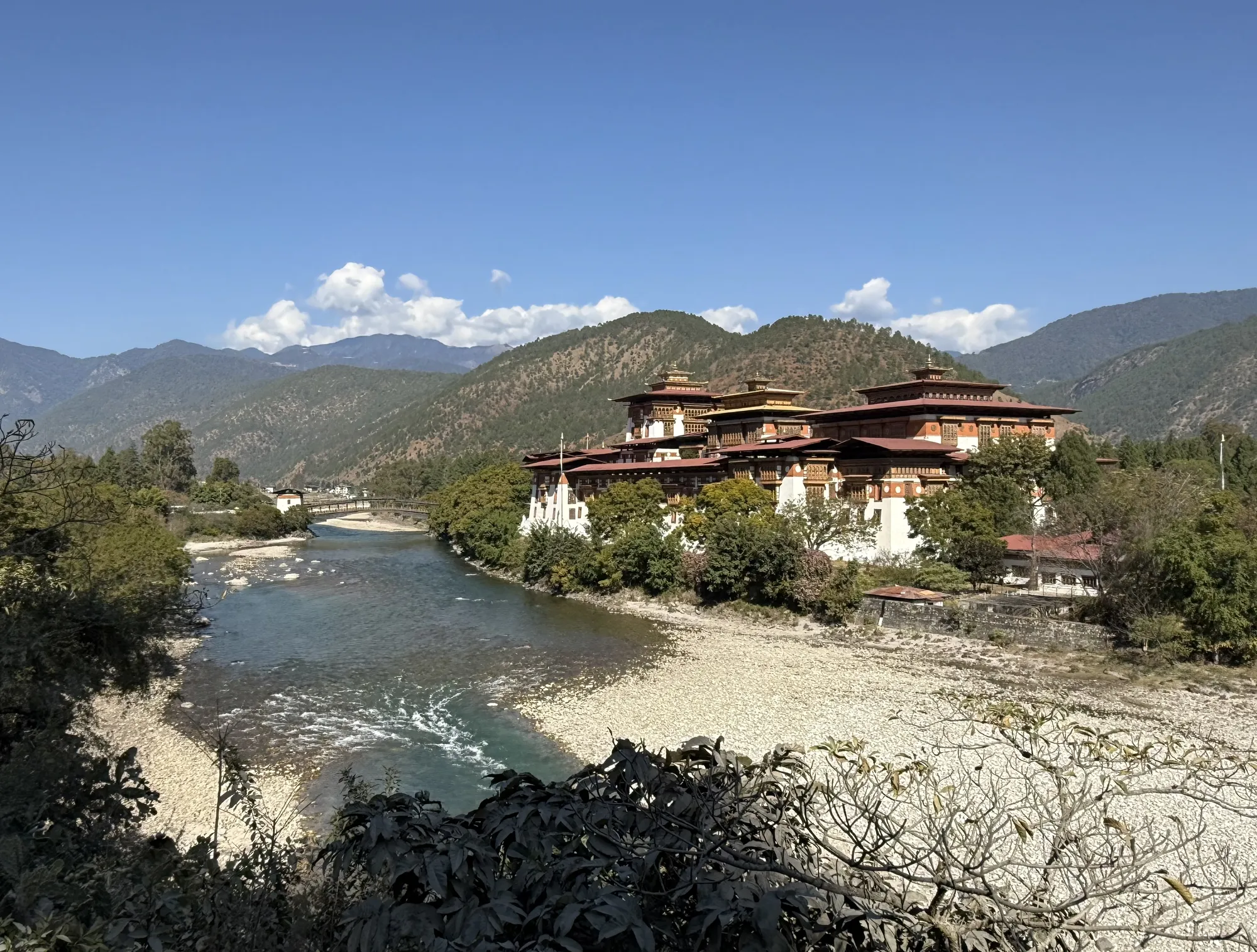
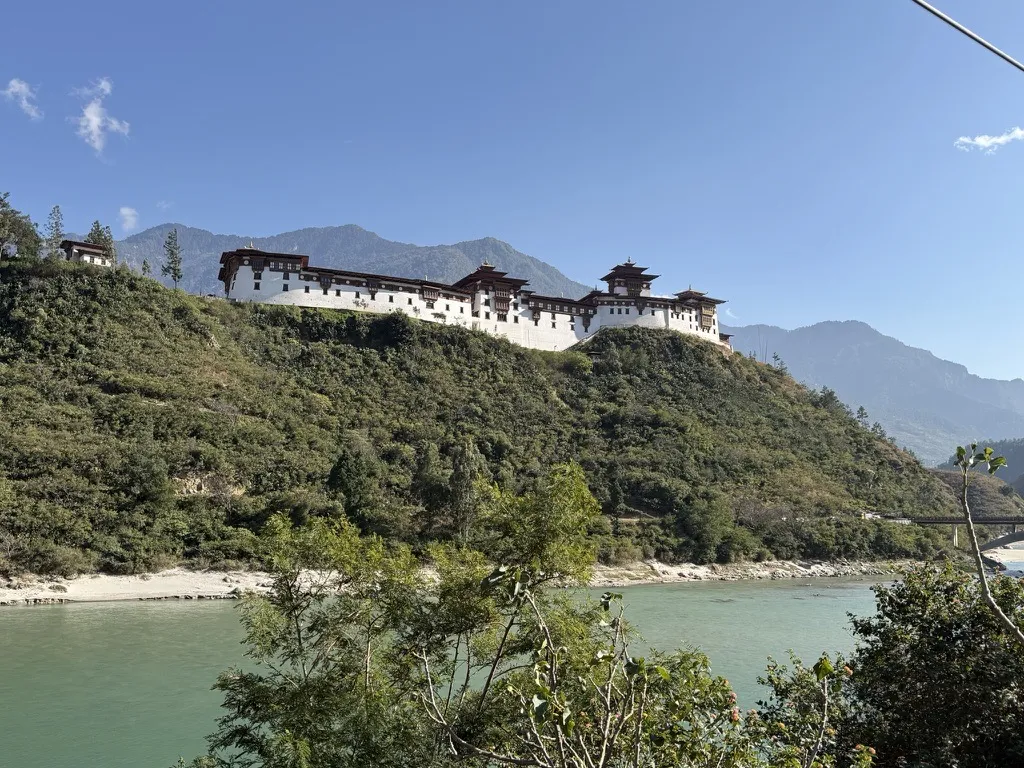
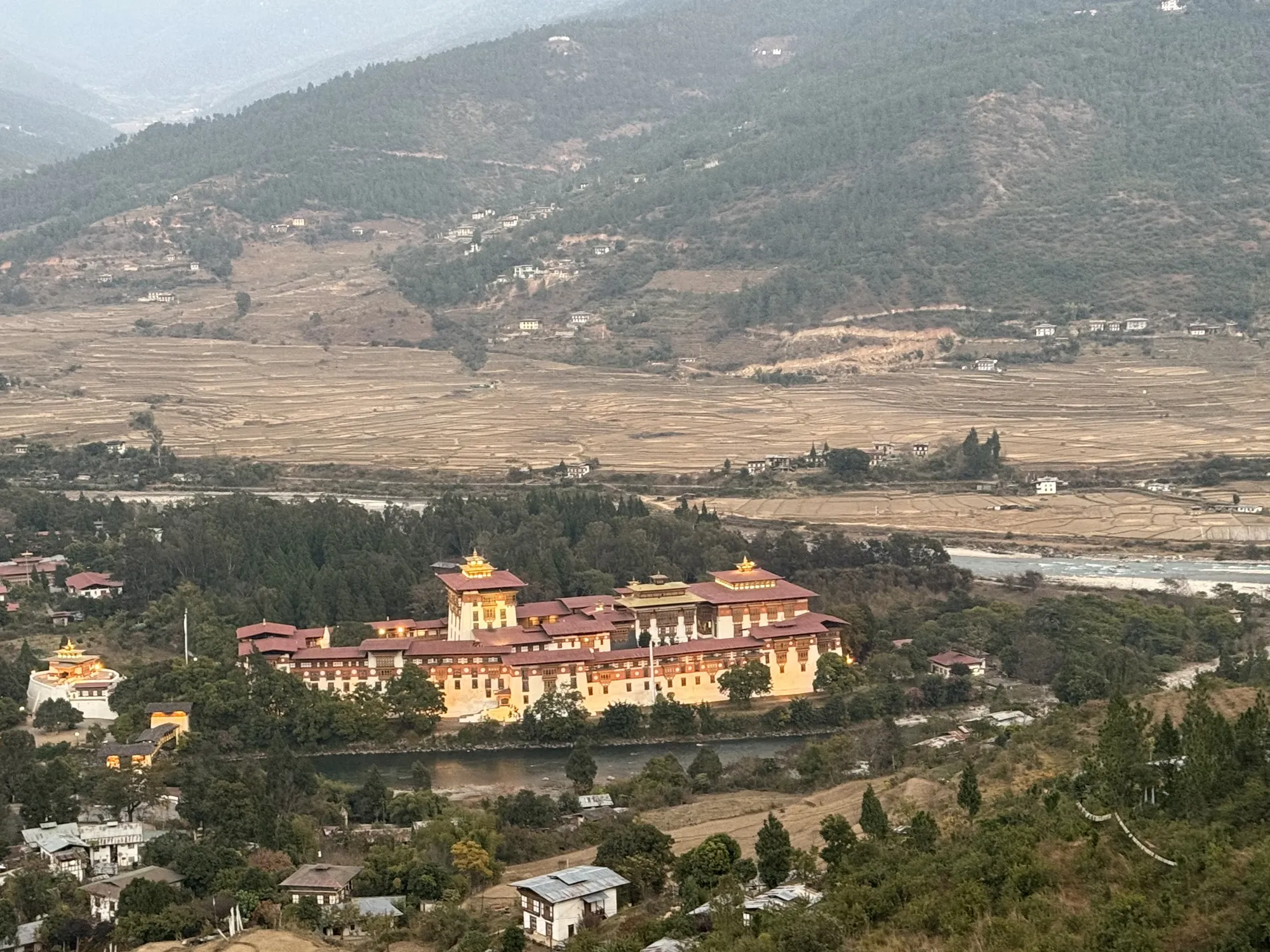
Punakha Dzong & Chimi Lhakhang · Punakha
The dzong at the confluence of the Pho Chhu and Mo Chhu rivers, and the temple of Drukpa Kunley in the fields below.
-
Nelung Dechenling & Gangtey Gompa · Phobjikha
Longchenpa's sacred teaching grounds, housing very important relics of Longchenpa and Pema Lingpa, and the seat of the Gangtey Trulku nearby.
-
Tharpaling · Bumthang
Longchenpa's primary seat, the place of liberation, where he composed the Seven Treasuries.
-
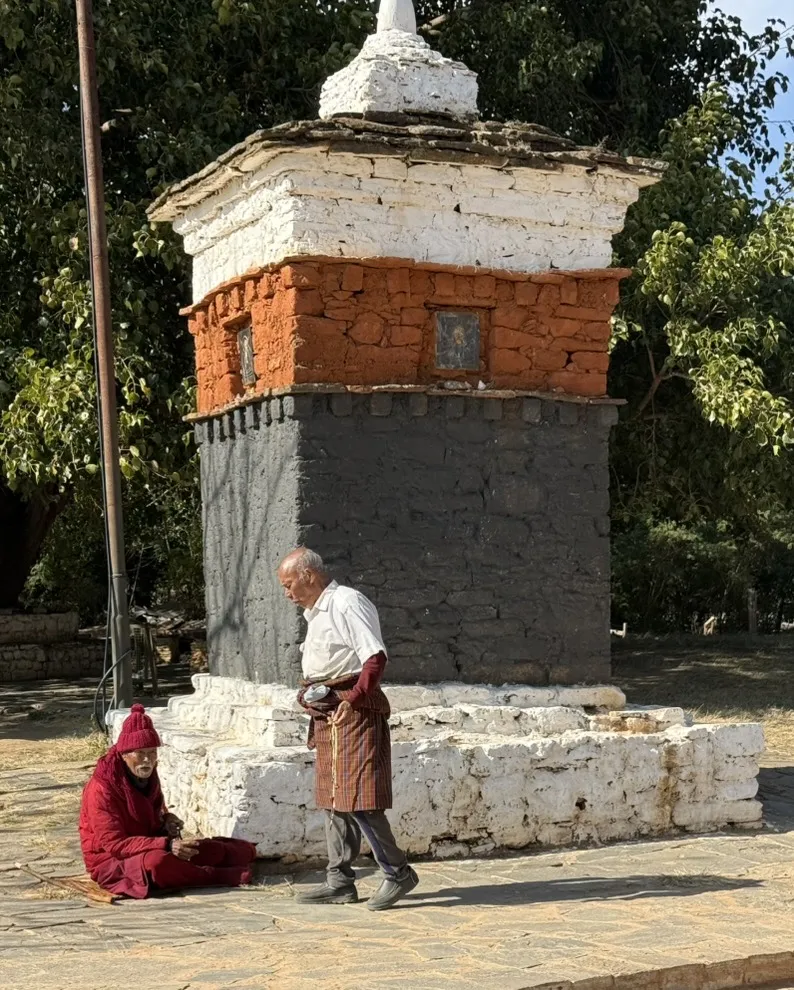
Tang Ogyen Chholing · Bumthang
The one Longchenpa site where nothing has been built up. The little cave still maintains its sanctity, and the temple houses the Tooth Relic of Longchenpa.
-
Taktsang Monastery · Paro
The Tiger's Nest, clinging to the cliff above the Paro valley. The closing hike of the pilgrimage.
Who Was Longchenpa
Longchen Rabjam Drimé Özer
1308–1364 · Kunkhyen, The All-Knowing One
Longchenpa was one of the most influential scholar-yogis of the Nyingma school of Tibetan Buddhism. Where Padmasambhava brought Vajrayana Buddhism to Bhutan and Tibet, and the Nyingma teachings in particular, Longchenpa later played an extraordinary role in clarifying and systematising them, above all the Dzogchen tradition, the Great Perfection. His writings organised and unified the profound doctrines and practices of Dzogchen into coherent and comprehensive teachings that could be studied and practised.
He became an orphan at a young age, entered Samye — the first monastery in Tibet — and in time became its Khenpo. He was a prolific writer who authored over 200 works. His favourite place in Tibet was Gangri Thökar, the White Skull Mountain, and the cave there is called the origin of knowledge: all of his books but one collection came from it. Only the Seven Treasuries were written elsewhere, in Bhutan.
Following political friction in Tibet, Longchenpa spent several years in exile in Bhutan. He established a number of important meditation monasteries and sacred sites there, leaving an enduring legacy in Bhutan's spiritual heritage — Tharpaling, Nelung Dechenling, Ogyen Chholing and others, which this pilgrimage sets out to visit.
He is traditionally regarded in the Nyingma lineage as an emanation of Lhacham Pemasel, the daughter of King Trisong Detsen, the second of Tibet's three great Dharma kings, who invited Padmasambhava to Tibet. She was a disciple of Guru Rinpoche and a great practitioner, and passed away at a young age. Guru Rinpoche temporarily revived her and transmitted the profound Dzogchen teachings that became known as the Khandro Nyingtik, the Heart Essence of the Dakinis. Longchenpa revived these teachings.
"My advice from the heart is to let everything drop." Centuries after his passing, the master Jigme Lingpa received Longchenpa's wisdom in a series of visionary experiences. This gave birth to the Longchen Nyingtik, the Heart Essence of the Great Expanse, which remains one of the most widely practised Dzogchen lineages in the world today.
Written at Tharpaling
The Seven Treasuries
The Dzöd Dun are Longchenpa's most famous original treatises. They elucidate the entire spectrum of Buddhist view, path and result, from basic ethics to the pinnacle Dzogchen teachings.
The pure view. Everything is already perfect, spacious and liberated within the primordial expanse.
The practical framework. A systematic guide in eleven topics, detailing how the universe arises and how a practitioner achieves liberation.
Freedom from effort. True reality is beyond conceptual thought, beyond meditation, action and goals.
A comparative study of viewpoints. A vast encyclopaedic text ranking the Buddhist schools, both outsider and insider, and establishing Dzogchen as their pinnacle.
Short, direct, hidden advice. Verse-based instruction at an advanced level, focused directly on the nature of mind.
The spiritual path. A vast overview of the entire Buddhist path, from the basic level of the Sutrayana through to the highest tantra.
Advanced Dzogchen. A vast commentary explaining the secret, advanced practices of the Nyingtik, the Heart Essence tradition.
Glimpses
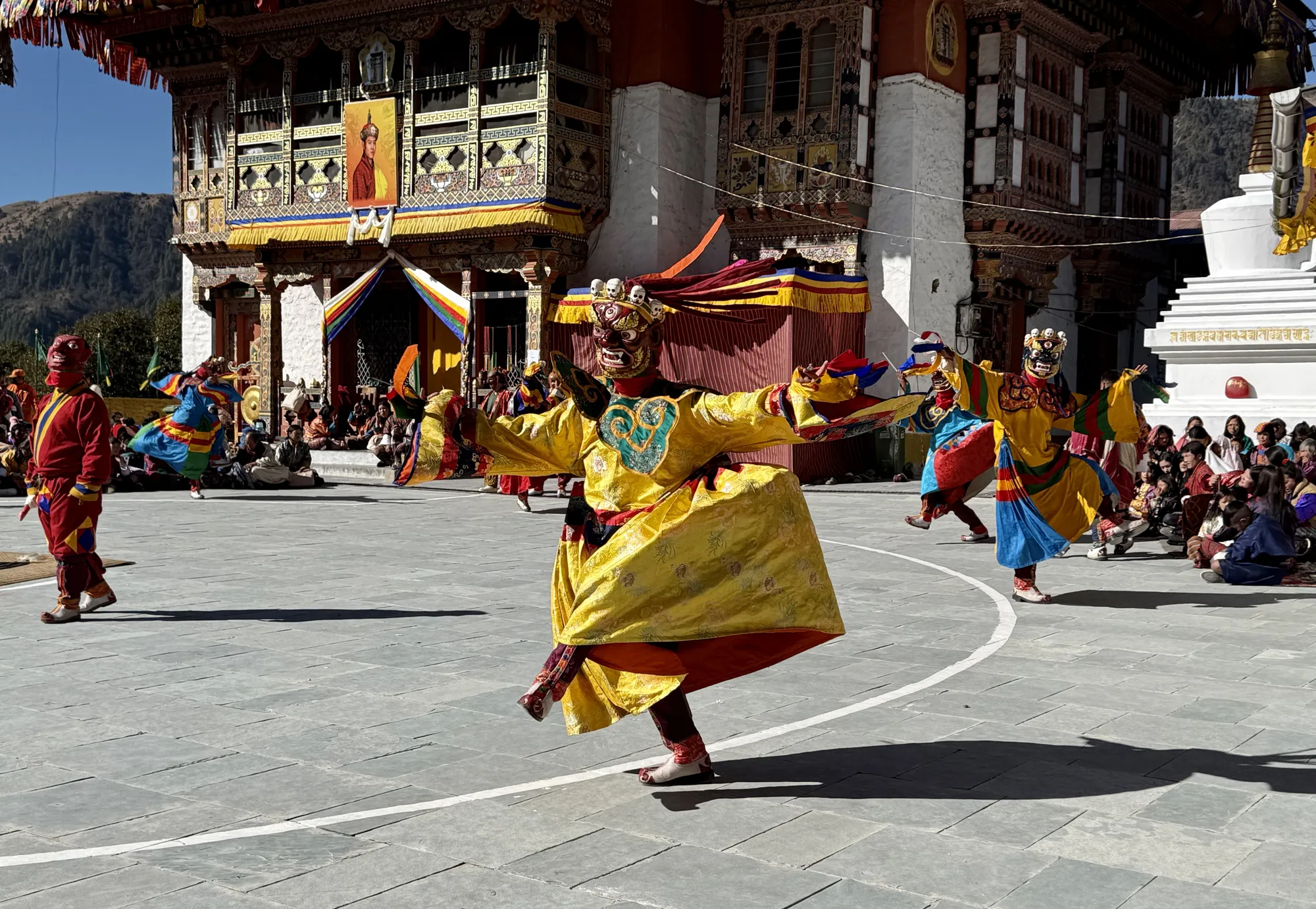
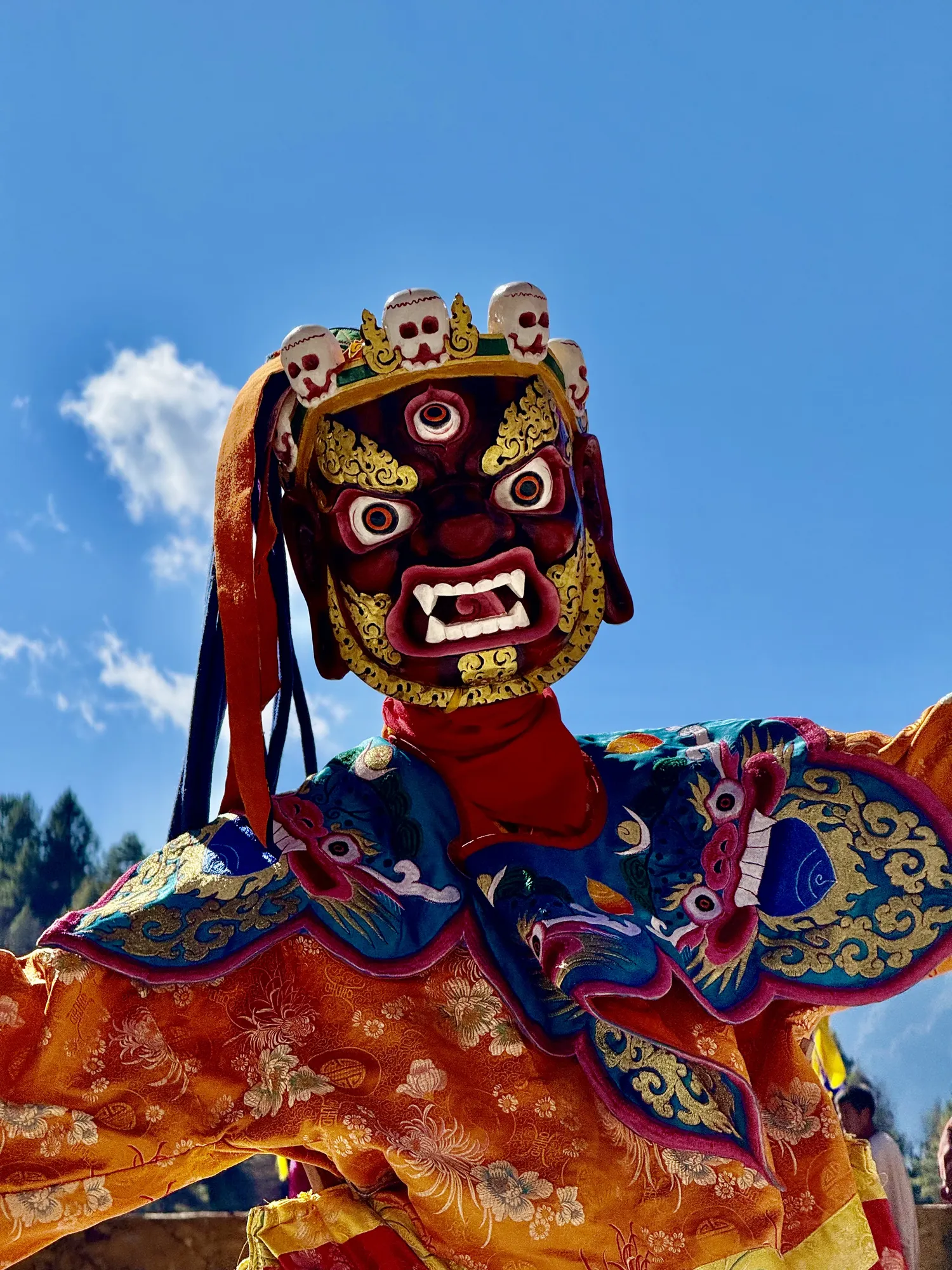
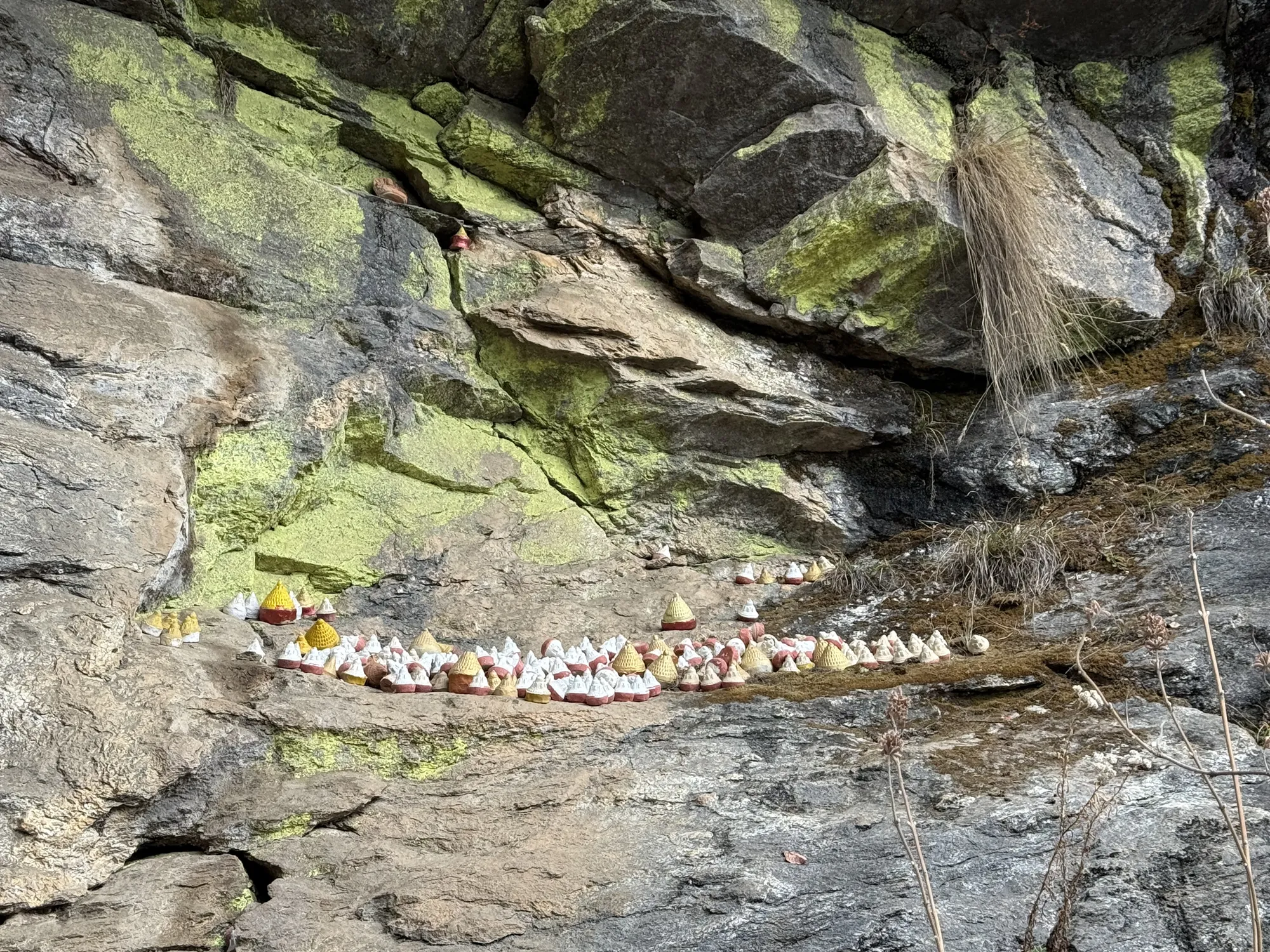
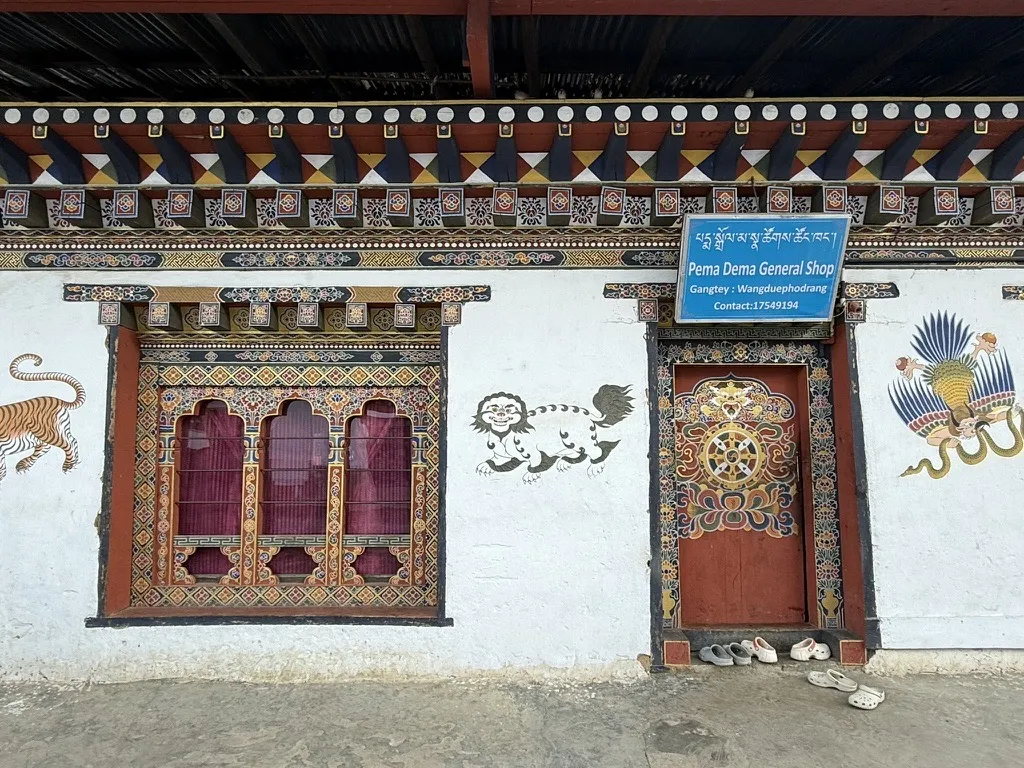
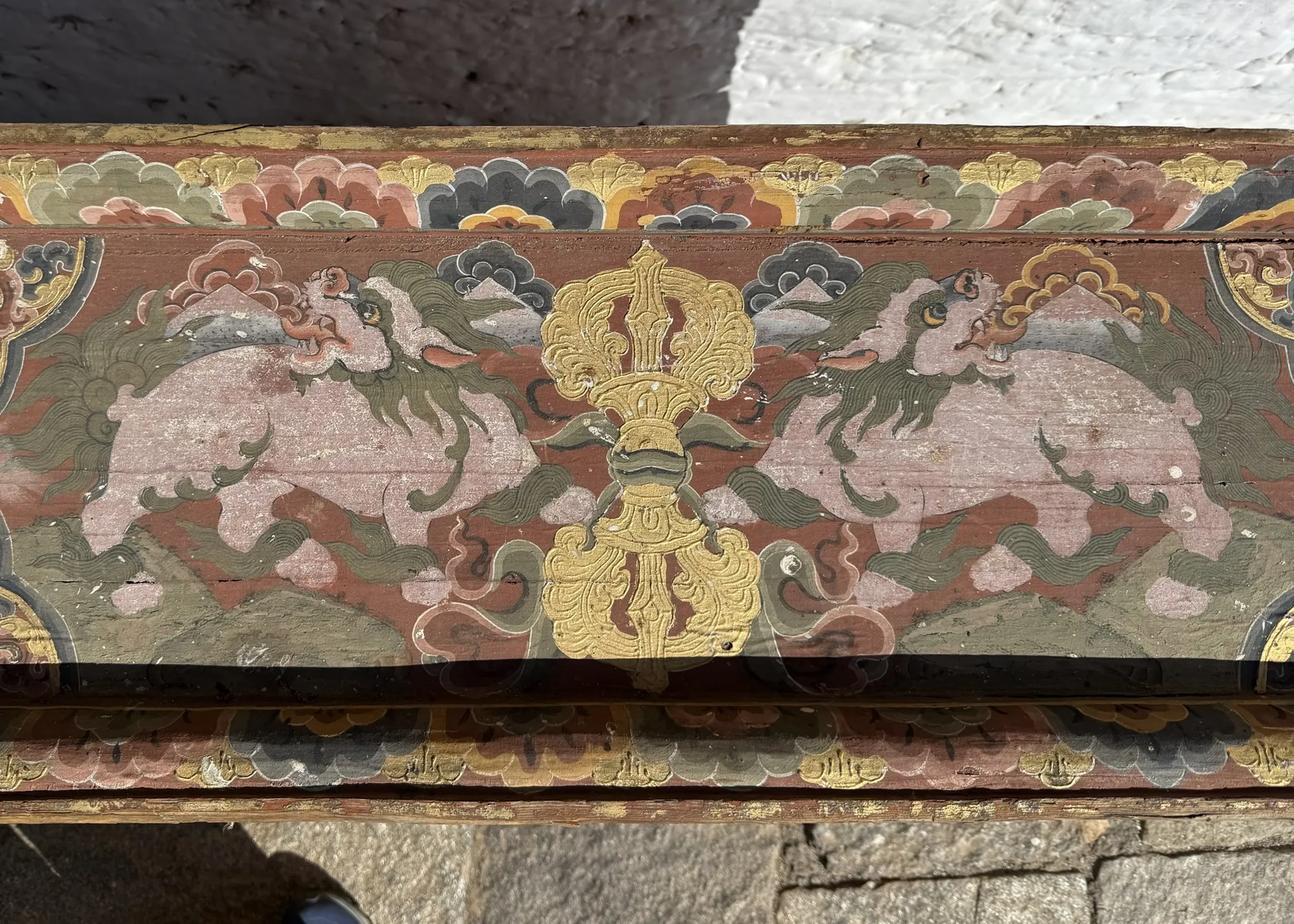
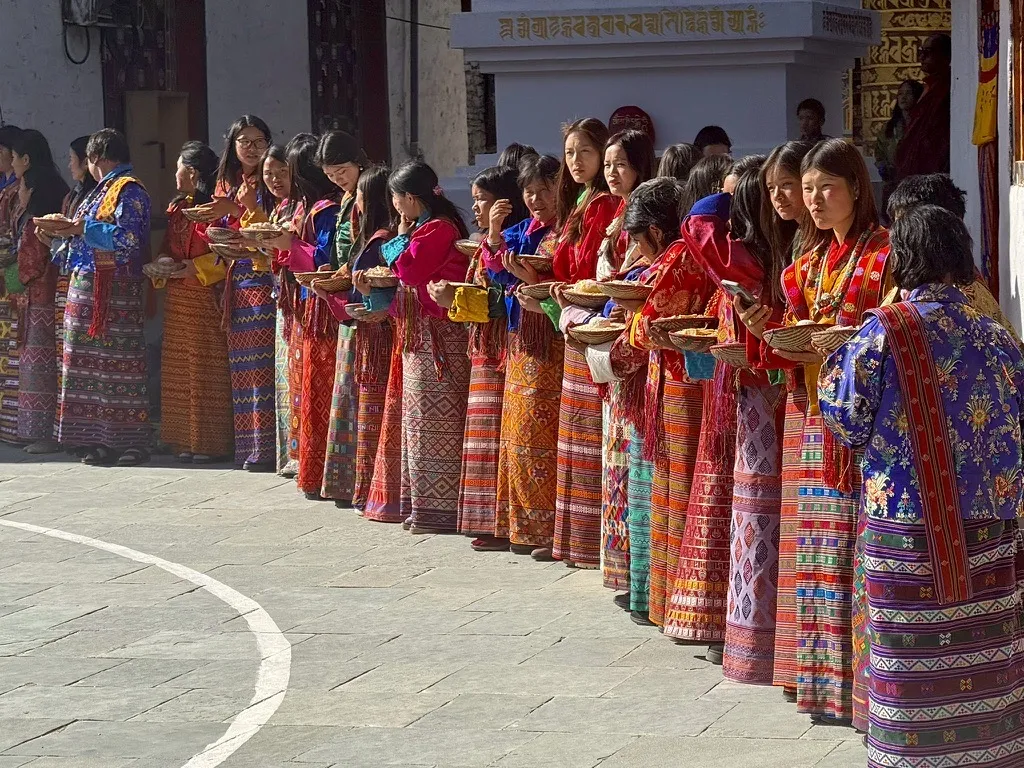
A Taste of Bhutan
Practical Information
What's Included
Nine nights of overnight stays: 1 night in Paro, 1 night in Punakha, 2 nights in Phobjikha, 3 nights in Bumthang and 2 nights in Paro. Board and lodging are part of the tour costs.
Board is included in the tour costs throughout the ten days. Dietary requirements will be cared for — please let us know of any allergies or specific needs when you register your interest.
The group travels under the guidance of SINI monastic Fellows from India or Bhutan, accompanied by the program coordinator. Teachings on the Thirty Pieces of Heart Advice are given along the way, with a selection of the thirty stanzas linked to the different places we visit. The teaching text is still to be confirmed.
Ten days of tour costs cover transportation, driver and guide throughout Bhutan. The domestic flight from Bumthang to Paro is included in the estimate. International flights to and from Bhutan are not included.
Bhutan levies a Sustainable Development Fee on international guests: USD 100 per person per night, for nine nights. This promotional rate applies until 31 August 2027. From 1 September 2027 onward, the statutory rate is scheduled to return to USD 200 per person per night, unless it is extended by the Royal Government of Bhutan.
The Bhutanese visa fee of USD 40 per person per trip is included in the estimate.
International tickets, vaccinations and travel insurance are not included in the program fee.
Registration
Join Us
Are you interested and able to join us on a pilgrimage to Bhutan, and to visit some of the holy sites of the Omniscient Longchenpa?
A group of 12 to 15 participants will travel under the guidance of SINI monastic Fellows. While each participant will be personally motivated to undertake this journey, our intention is to travel as a community — to receive the Longchenpa teachings, and to explore, reflect and learn together. That is an integral part of the program.
The pilgrimage is tentatively planned for the end of March / beginning of April 2027. Dates, teaching text and final costs are still to be confirmed. Register your interest and we will keep you informed as the program is finalised.
SINI is a 501(c)(3) non-profit organization in the US. All proceeds support SINI's work in monastic education and Dharma preservation.
Break-up of estimated costs
- Sustainable Development Fee — 9 nights at $100$900
- Visa fee, per person per trip$40
- Tour costs, 10 days — board & lodging, transport, driver and guide$1,200
- Plane ticket Bumthang to Paro$250
- Contingency, 10%$220
- Total estimated costs in Bhutan$2,610
Not included: international ticket(s), vaccinations and travel insurance.
Participants are requested to make an additional donation to SINI. You can do so on the SINI website.
Your Impact
Supporting SINI
This pilgrimage is offered by the Sarnath International Nyingma Institute, an educational institute at the site where the Buddha first turned the Wheel of Dharma.
At the heart of SINI's mission is a three-year intensive English immersion program for senior Tibetan Buddhist monastics. Khenpos, Geshes and Lopons from traditional monastic backgrounds live, study and interact with native English teachers, preparing them to deliver the Buddha's teachings to students from every culture and tradition around the world. The monastic Fellows who guide this journey come from that program.
Participants are requested to make an additional donation to SINI. Any donation helps empower monastics to preserve, teach and translate the Dharma.
Questions
Frequently Asked Questions
Who was Longchenpa?
Longchen Rabjam Drimé Özer (1308–1364), known as Longchenpa or Kunkhyen, The All-Knowing One, was one of the most influential scholar-yogis of the Nyingma school of Tibetan Buddhism. He systematised and unified the Dzogchen teachings, the Great Perfection, into a coherent body of study and practice, and authored over 200 works. Due to his extraordinary realisation, unobstructed wisdom and fearless eloquence, he is traditionally regarded as a living embodiment of Manjushri, the Buddha of Wisdom.
Which Longchenpa sites does the pilgrimage visit?
The journey centres on the holy sites of Longchenpa in Bhutan. It includes Nelung Dechenling in the Phobjikha Valley, which houses very important relics of Longchenpa and Pema Lingpa; Tharpaling in Bumthang, his primary seat, where he composed the Seven Treasuries; Tang Ogyen Chholing, the one site where nothing has been built up and the little cave still maintains its sanctity, whose temple houses the Tooth Relic of Longchenpa; Samtenling Lhakhang at Chujakha in Paro, which became the primary residence of his son Dawa Dragpa; and Samteling near Bumthang, which houses many Longchenpa relics.
What teachings are given during the pilgrimage?
Under the guidance of SINI monastic Fellows, we intend to study the Thirty Pieces of Heart Advice, also referred to as Advice from the Heart, a practical guide to subdue the mind and abandon meaningless worldly pursuits. A selection of the thirty stanzas will be linked to the different places we visit. The teaching text is still to be confirmed.
What are the exact dates?
The pilgrimage is tentatively planned for the end of March or the beginning of April 2027. The exact dates depend on the domestic flight schedule between Bumthang and Paro, which operates three flights per week. Day 8 falls on a Sunday and departure on Day 10 falls on a Tuesday.
How much does it cost, and what does the fee cover?
The estimated cost is between $2,500 and $2,650 per person and will be finalised when the number of participants is confirmed. The estimate covers the Sustainable Development Fee of $100 per person per night for nine nights ($900), the visa fee ($40), ten days of tour costs including board and lodging, transportation, driver and guide ($1,200), the plane ticket from Bumthang to Paro ($250) and a 10% contingency ($220), for a total of $2,610.
Not included: international ticket(s), vaccinations and travel insurance costs. Participants are also requested to make an additional donation to SINI.
What is the Sustainable Development Fee?
Bhutan levies a Sustainable Development Fee on international guests. The promotional rate of $100 per person per night applies until 31 August 2027. From 1 September 2027 onward, the promotional discount expires and the statutory rate is scheduled to return to $200 per person per night, unless it is extended by the Royal Government of Bhutan.
Who is this pilgrimage for?
A group of 12 to 15 participants will travel under the guidance of SINI monastic Fellows from India or Bhutan. While each participant will be personally motivated to undertake this journey, our intention is to travel as a community — to receive the Longchenpa teachings from SINI's monastic Fellows, and to explore, reflect and learn together. This is an integral part of the program.
How physically demanding is the pilgrimage?
The journey involves long drives over mountain passes, walking at the sacred sites, a nature walk through the Phobjikha Valley, and the hike up to Taktsang Monastery on Day 9, which is a sustained climb. Several sites sit at altitude. If you have mobility or health concerns, please contact us so we can discuss them with you.
Where do we stay?
Nine nights in total: 1 night in Paro, 1 night in Punakha, 2 nights in Phobjikha, 3 nights in Bumthang and 2 nights in Paro. Board and lodging are covered by the tour costs.
Do I need a visa for Bhutan?
Yes. All international visitors require a visa, arranged through the tour operator. The visa fee of $40 per person per trip is included in the cost estimate. Please make sure your passport is valid for at least six months beyond the dates of travel.
What is the weather like at that time of year?
Late March and early April is spring in Bhutan — generally clear and dry, with warm days in the valleys and cold nights at altitude, particularly in Phobjikha and Bumthang. Bring warm layers, a jacket for the evenings and good walking shoes. Out of respect for the monastic environment and the pilgrimage sites, please wear modest, loose-fitting clothing with arms and legs covered.
How do I register?
Write to Anne-Marie Schreven, the program coordinator, at annemarie.schreven@sinibridge.org. Dates, teaching text and final costs are still being confirmed; registering your interest means you will be kept informed as the program is finalised.
An Invitation
SINI is offering this unique opportunity to undertake a pilgrimage to the holy sites of Longchenpa and to experience Bhutan, one of the world's few remaining Buddhist monarchies.
Register Your Interest →